AI Hearing Aids: How Artificial Intelligence Is Changing Hearing Care
AI Hearing Aids: What Does Artificial Intelligence Actually Do for Your
Now part of the Beltone Hearing Care Network, visit www.beltonesound.com for a complete listing of all locations in the US


A new year often brings a refreshed focus on health. Many people think about eating better, staying active, or managing stress. One area that often gets overlooked, however, is hearing health.
Hearing plays a significant role in how we connect with others, stay safe, and enjoy everyday moments. And unlike some health changes that happen suddenly, hearing changes usually happen slowly—so slowly that they’re easy to miss.
As we move into 2026, taking a few simple steps to care for your hearing can make a meaningful difference. Whether you’ve been wearing hearing aids for years, are just starting to notice changes within your hearing, or simply want to stay proactive, these five tips can help you hear your best in the year ahead.
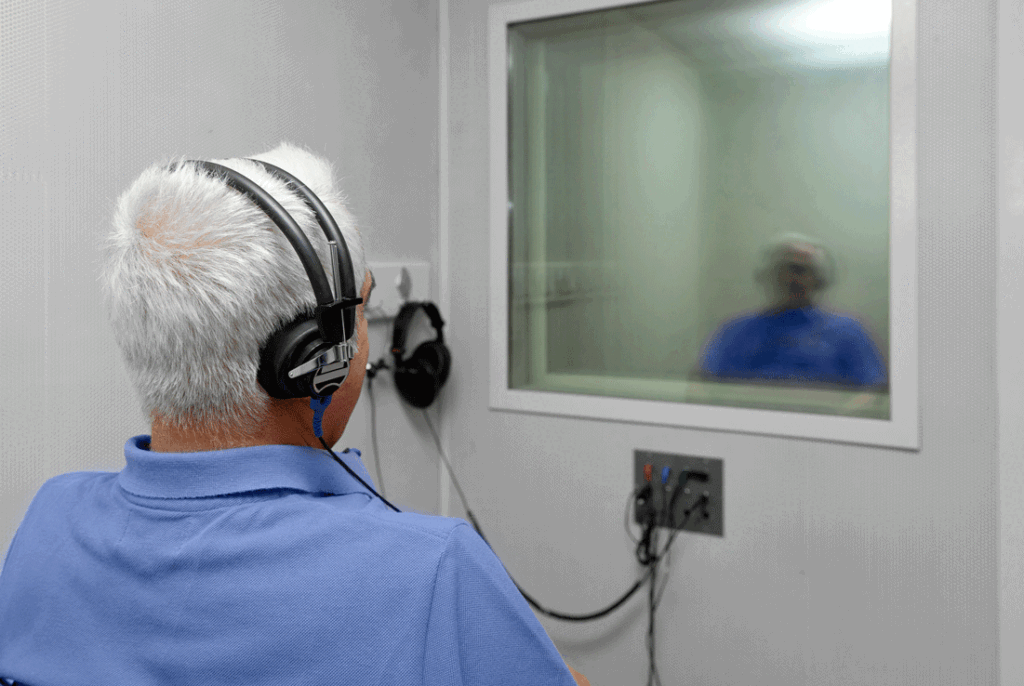
Many people wait to have their hearing tested until something feels “wrong.” In reality, hearing check-ins are most helpful when they’re done before major problems appear.
Hearing changes often happen gradually. You may still hear well in quiet rooms but struggle in restaurants, meetings, or family gatherings. A hearing evaluation helps establish a baseline, enabling early identification and easier management of changes.
For those who already wear hearing aids, regular check-ups are just as important. Over time, hearing needs can change, settings may need adjustment, and technology updates can improve clarity and comfort.
A hearing test doesn’t mean you’re committing to anything. It’s simply a way to understand how your hearing is doing right now—and what steps, if any, might help you hear more clearly moving forward.
Hearing loss doesn’t always sound like silence. In fact, many people with early hearing changes still “hear” sounds, but their brain has to work much harder to make sense of them.
Some common signs of listening fatigue include:
These experiences are easy to brush off as normal aging, stress, or distraction. But they can be early signs that your hearing system is working overtime.
Listening fatigue can affect energy levels, focus, and enjoyment of everyday activities. Paying attention to these small changes can help you address hearing concerns before they begin to interfere more noticeably with daily life.
Protecting your hearing is essential at every age. Noise exposure adds up over time, and even brief exposure to loud sounds can cause lasting damage.
Everyday sources of harmful noise may include:
Simple steps can go a long way in protecting your hearing:
Many people assume hearing protection is only for younger adults or certain jobs, but it’s helpful for anyone who wants to preserve their hearing long-term. Being mindful of noise today can support better hearing well into the future.
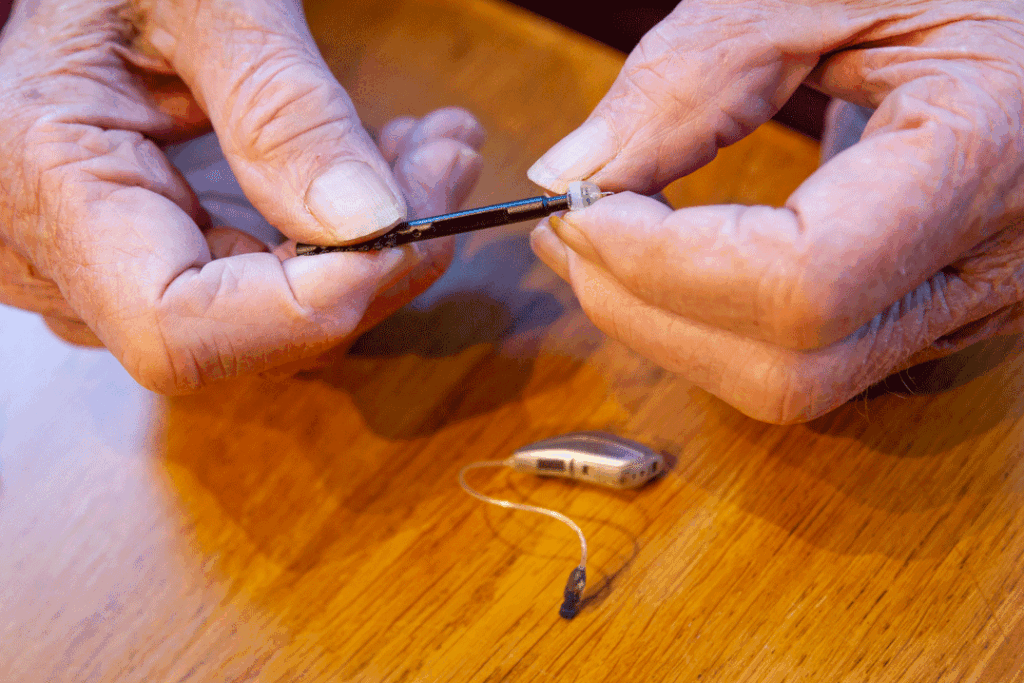
If you wear hearing aids, regular care and maintenance help ensure you’re getting the full benefit from your devices. Small issues like buildup, outdated settings, or changes in fit can affect sound quality more than people realize.
Helpful habits for hearing aid users include:
For those who don’t wear hearing aids, ear health still matters. Wax buildup, irritation, or improper cleaning methods can interfere with hearing and comfort. It’s important to avoid home remedies that may cause damage and instead seek professional guidance when concerns arise.
Keeping your ears—and any hearing technology you use—in good condition supports clearer hearing and greater comfort throughout the year.
Hearing health is closely connected to overall well-being. Hearing plays a role in communication, balance, cognitive engagement, and social connection.
When hearing issues go unaddressed, people may begin to withdraw from conversations or social activities without realizing why. Over time, this can affect relationships, confidence, and quality of life.
Caring for your hearing isn’t just about sound—it’s about staying connected to the people and moments that matter most. Making hearing health a priority in 2026 supports not only how well you hear, but how fully you participate in daily life.
You don’t need to have all the answers about your hearing. You don’t need to be sure something is wrong. And you don’t need to wait until hearing becomes a major challenge.
Sometimes the most important step is simply asking a question.
If something in this article resonated with you—whether it’s listening fatigue, hearing protection, or staying proactive in the new year—Salem Audiology Clinic is here as a resource. We’re always happy to talk through concerns, provide guidance, and help you understand your hearing health options.
As 2026 begins, small, thoughtful steps can help you stay connected, confident, and hearing your best.

AI Hearing Aids: What Does Artificial Intelligence Actually Do for Your

Community Hearing Loss Tinnitus
Every day, millions of Americans rely on medications to fight infections,

The Link Between Hearing Loss and Fall Risk: Why Hearing Health Matters
Testimonials
For more than 40 years, families across the Willamette Valley have trusted Salem Audiology Clinic with their hearing care. Here’s what some of our patients have shared about their experience with us: