AI Hearing Aids: How Artificial Intelligence Is Changing Hearing Care
AI Hearing Aids: What Does Artificial Intelligence Actually Do for Your
Now part of the Beltone Hearing Care Network, visit www.beltonesound.com for a complete listing of all locations in the US

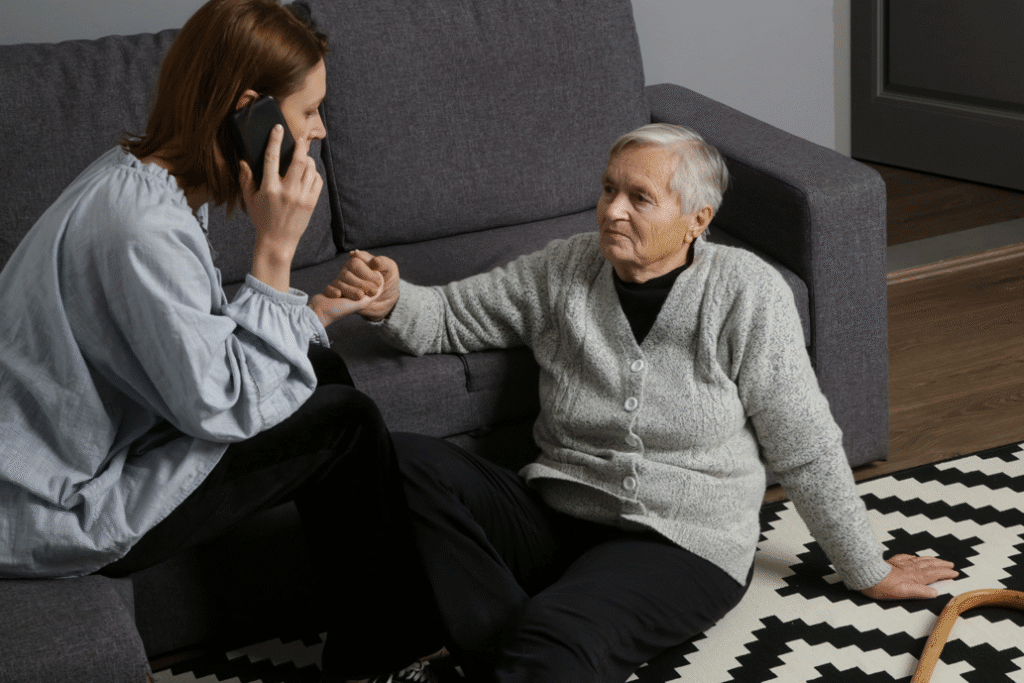
When people think about preventing falls, they usually focus on improving balance, strengthening muscles, updating eyeglasses, or making their homes safer. While all of these are important, one potential risk factor is often overlooked—hearing loss.
Hearing is about more than just understanding conversations. It helps us stay aware of our surroundings, detect potential hazards, and move through our daily lives with confidence. When hearing declines, everyday activities can become more difficult, putting additional strain on the brain to process information and sometimes increasing the risk of falls.
Over the past decade, researchers have studied the relationship between hearing loss and balance, and the evidence continues to accumulate. While hearing loss is rarely the sole cause of falls, it is increasingly recognized as an important part of the overall picture—one that deserves attention alongside vision, mobility, medications, and general health.
Although hearing and balance perform different functions, they are closely linked within the inner ear.
The cochlea is responsible for hearing, while the vestibular system helps your brain understand movement, body position, and balance. Even beyond these physical connections, hearing provides your brain with constant environmental information that helps you navigate safely.
Imagine walking through a bustling grocery store, crossing a busy parking lot, or climbing a staircase. Without even realizing it, your brain is picking up on footsteps, conversations, approaching vehicles, automatic doors, and countless other sounds. These auditory cues work seamlessly with your vision and balance system to help you understand your surroundings and stay oriented.
When hearing loss develops, some of those important cues become weaker or disappear altogether. Your brain must work harder to fill in the missing information, leaving fewer mental resources available for maintaining balance, coordinating movement, and responding to unexpected changes in your environment. Researchers often refer to this as increased cognitive load or listening effort, and it is believed to be one of the reasons hearing loss may contribute to falls.
Falls remain one of the leading causes of injury and hospitalization among adults over the age of 65. At the same time, hearing loss affects nearly one in three adults between the ages of 65 and 74, with prevalence increasing as we age.
As researchers began examining these two common health concerns, an important pattern emerged.
A recent systematic review and meta-analysis found that adults with hearing loss had a 51% greater likelihood of experiencing a fall than those with normal hearing. Earlier research also demonstrated that even mild hearing loss may be associated with a significantly increased risk of falling. More recently, findings from the ACHIEVE Study suggest that comprehensive hearing intervention may help reduce the number of falls older adults experience over time.
These studies do not suggest that hearing loss directly causes falls. Rather, they reinforce the idea that untreated hearing loss is an important, modifiable health factor that should be considered in a comprehensive fall-prevention strategy.
Researchers believe several factors work together rather than a single cause.
Our ears constantly provide information about the world around us. Hearing approaching footsteps, bicycles, traffic, pets moving through the house, or someone calling your name all contribute to spatial awareness. When those sounds become harder to hear, reacting to potential hazards may become more difficult.
Many people with untreated hearing loss don’t realize how much energy they spend trying to understand speech. The brain is working overtime to fill in missing sounds and interpret conversations. That additional effort may reduce the attention available for balance, walking, and safe navigation of everyday environments.
Because the hearing and balance systems are closely connected, changes affecting one system may also influence the other. While not everyone with hearing loss experiences balance problems, the relationship between these systems remains an important area of research.
Some people with untreated hearing loss gradually start avoiding social gatherings, community events, exercise classes, or walks in unfamiliar places because communication becomes more challenging. Over time, less physical activity can lead to decreased strength, poorer balance, and a higher risk of falls.

While anyone can experience hearing loss, certain individuals may benefit from a hearing evaluation sooner, particularly if they have additional risk factors for falling.
You may want to have your hearing evaluated if you:
Early evaluation can help determine whether hearing loss may be contributing to communication difficulties or other quality-of-life concerns.
Hearing treatment should never be viewed as a replacement for exercise, balance therapy, medication management, or vision care. Instead, it should be considered an important part of maintaining overall health and independence.
Today’s hearing technology does far more than simply make sounds louder. Properly fit hearing aids can improve access to environmental sounds, reduce listening effort, and help many people feel more confident participating in everyday activities. Emerging research also suggests that comprehensive hearing care may contribute to fewer falls over time. Scientists continue to study exactly how much of this benefit comes from improved hearing versus increased activity and confidence.
Many people wait years before addressing hearing loss because the changes often happen gradually.
If you’ve noticed difficulty hearing conversations, increased listening fatigue, concerns about balance, or you’ve experienced a recent fall, it’s worth discussing your hearing with an audiologist. A comprehensive hearing evaluation can provide valuable information about your hearing health and help determine whether treatment may be appropriate.

Hearing loss affects much more than communication. It can influence how we connect with family, participate in our communities, stay physically active, and safely navigate the world around us.
Although hearing loss is only one of many factors that can contribute to falls, it is also one of the few that can often be identified and treated. Understanding that connection empowers individuals to take a proactive approach to their health before small challenges become larger ones.
At Salem Audiology Clinic, we believe hearing healthcare is about helping people stay connected—to conversations, to their families, and to the activities that bring purpose and independence. If you’ve noticed changes in your hearing or simply want a better understanding of your hearing health, a comprehensive evaluation is an excellent place to start. Our team is here to provide honest answers, evidence-based recommendations, and personalized care to help you hear—and live—with confidence.

AI Hearing Aids: What Does Artificial Intelligence Actually Do for Your

Community Hearing Loss Tinnitus
Every day, millions of Americans rely on medications to fight infections,
The Link Between Hearing Loss and Fall Risk: Why Hearing Health Matters
Testimonials
For more than 40 years, families across the Willamette Valley have trusted Salem Audiology Clinic with their hearing care. Here’s what some of our patients have shared about their experience with us: