AI Hearing Aids: How Artificial Intelligence Is Changing Hearing Care
AI Hearing Aids: What Does Artificial Intelligence Actually Do for Your
Now part of the Beltone Hearing Care Network, visit www.beltonesound.com for a complete listing of all locations in the US
 Don’t Miss the Sounds of Summer: Protect Your Hearing This Fourth of July
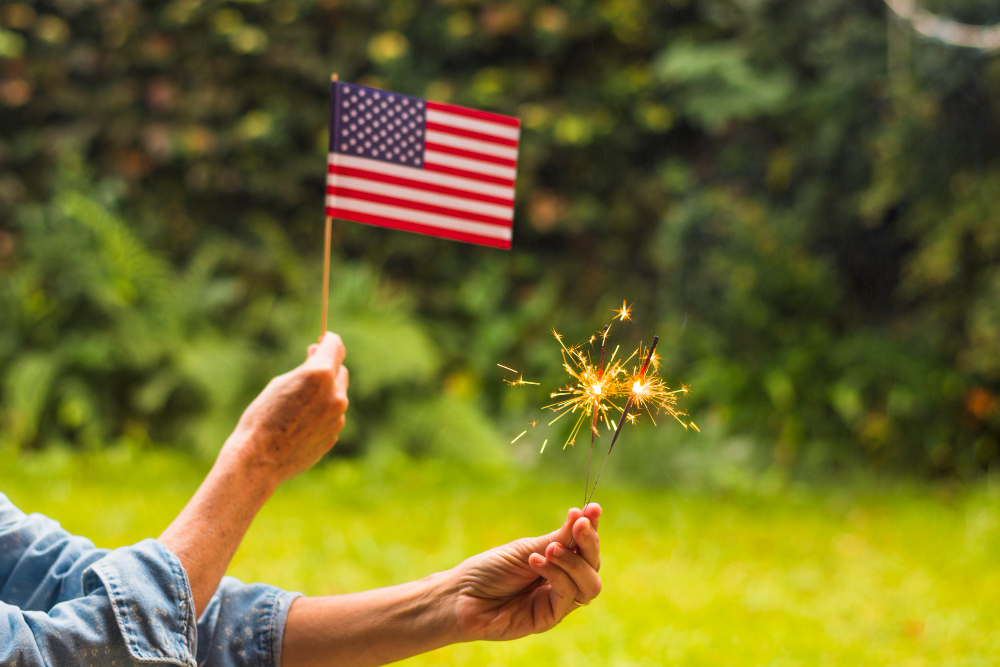
The Fourth of July is one of the most anticipated days of summer. Families gather for barbecues, neighborhood celebrations, parades, and of course, fireworks displays. While most people think about sunscreen, food, and travel plans, very few think about protecting one of their most valuable senses: their hearing.
Ironically, some of the sounds that make Independence Day so memorable can also put your hearing at risk.
When people think about hearing loss, they often focus on volume, but hearing health is really about connection. It’s about hearing your grandchildren laugh as they run through the sprinklers, catching every story shared around the picnic table, and experiencing the music, conversation, and excitement that make summer gatherings special. Protecting your hearing isn’t just about avoiding damage today—it’s about preserving those moments for years to come.
Fireworks are a tradition many of us enjoy, but they are also among the loudest sounds most people hear all year.
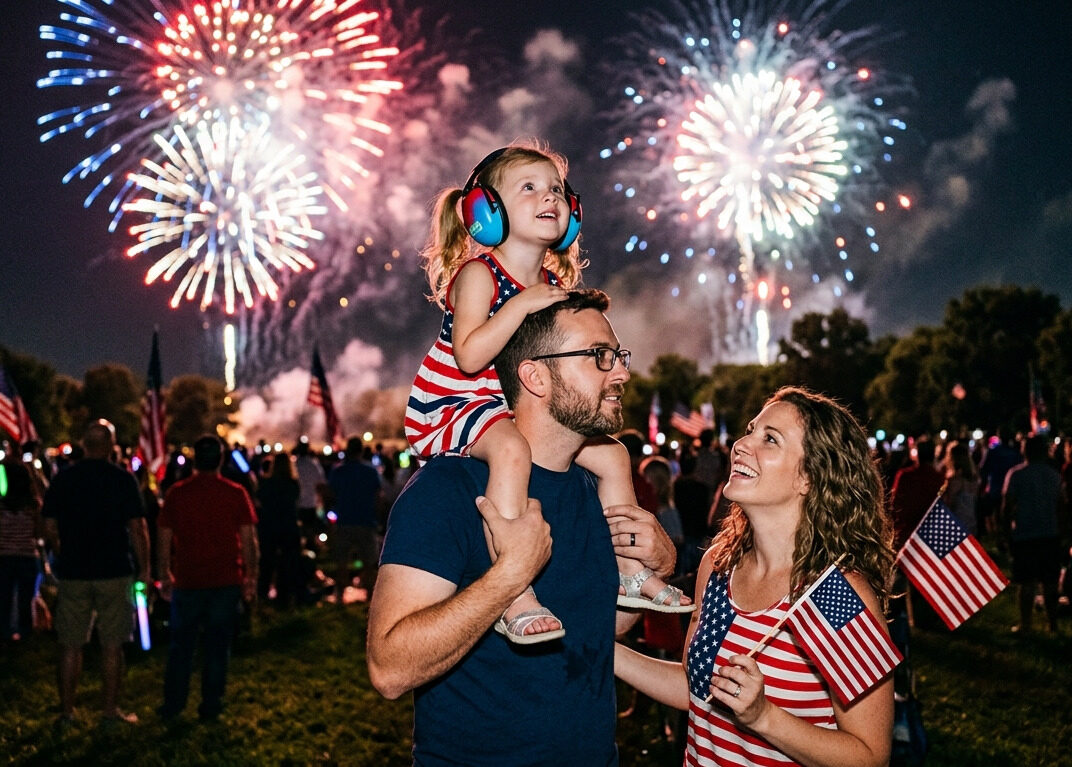
According to the National Institute on Deafness and Other Communication Disorders (NIDCD), long-term exposure to sounds above 85 decibels can damage hearing. Fireworks can reach between 140 and 170 decibels at the source—loud enough to cause immediate hearing injury from a single blast.
Unlike other parts of the body, the delicate sensory cells in the inner ear do not regenerate once damaged. That means noise-induced hearing loss is often permanent.
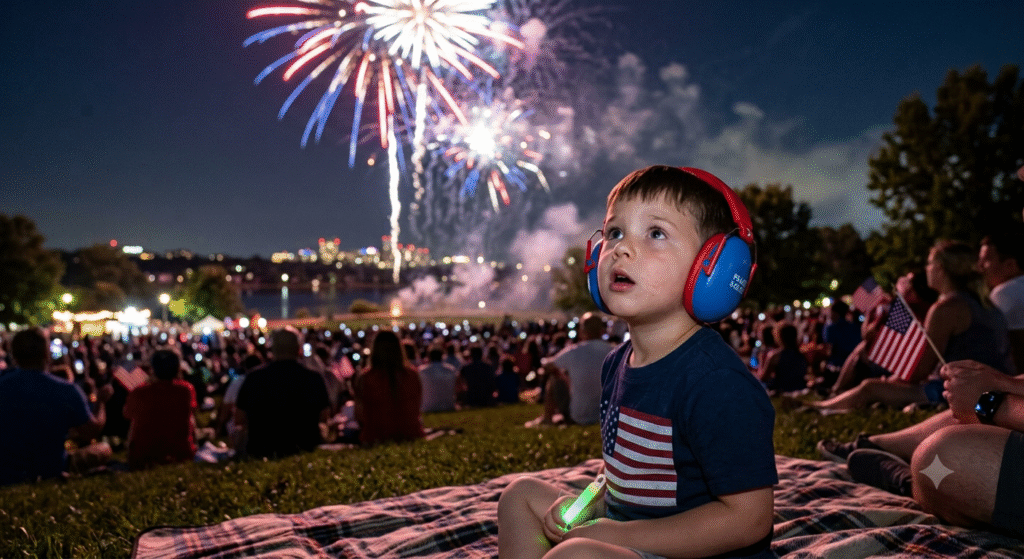
Children tend to sit closer to fireworks, have smaller ear canals, and may not recognize when sound levels become dangerous, making them more susceptible to hearing damage. If you’re attending a fireworks show with young children, it is especially important to consider using properly fitted hearing protection.
Over-the-ear earmuffs are an easy and effective option for younger kids because they provide a full seal around the ears, blocking out significant noise, which not only helps protect their delicate hearing but also reduces discomfort and helps prevent potential hearing loss.
A good rule of thumb: if your child covers their ears or shows signs of discomfort, the environment is likely too loud and protective measures should be taken to ensure their safety.
You don’t have to skip the celebration to protect your ears. A few simple precautions can go a long way toward reducing your risk of noise-related hearing damage while still allowing you to enjoy the festivities.
The farther you are from a loud sound source, the lower the intensity at your ears. Moving back even a little can help. At fireworks shows, avoid standing near the launch site to enjoy the display while reducing noise exposure.
Foam earplugs, filtered earplugs, and earmuffs help reduce the impact of loud sounds without spoiling the experience. Fireworks can cause immediate hearing damage, so hearing protection is a simple, effective precaution.
Children’s ears are sensitive to loud sounds and may not notice when noise is unsafe. Proper earmuffs protect their ears during fireworks, parades, and loud summer events.
Many Fourth of July celebrations involve hours of noise. Taking short breaks from loud areas can lower sound exposure, reduce listening fatigue, and keep your ears more comfortable.
After fireworks, your ears may need time to recover. Loud music or podcasts can increase strain. Lower volume or take a break from headphones to rest.
If you notice ringing, buzzing, muffled hearing, or a feeling of fullness in your ears after a fireworks display, don’t assume it will always go away.
These symptoms can be early signs of noise-related hearing damage. While some temporary changes improve over time, repeated exposure can contribute to permanent hearing loss.
If symptoms persist for more than a day or two, it’s a good idea to schedule a hearing evaluation with an audiologist.
This Fourth of July, enjoy every moment.
Watch the fireworks. Cheer at the parade. Spend time with family and friends.
Just remember that protecting your hearing isn’t about avoiding the sounds of summer—it’s about making sure you can continue enjoying them for many summers to come.
If you’ve experienced changes in your hearing, ringing in your ears, or difficulty following conversations in loud environments, scheduling a hearing evaluation is the easiest first step toward protecting your hearing health.

AI Hearing Aids: What Does Artificial Intelligence Actually Do for Your
Community Hearing Loss Tinnitus
Every day, millions of Americans rely on medications to fight infections,
The Link Between Hearing Loss and Fall Risk: Why Hearing Health Matters
Testimonials
For more than 40 years, families across the Willamette Valley have trusted Salem Audiology Clinic with their hearing care. Here’s what some of our patients have shared about their experience with us: